Pregnancy & Postpartum | Stephenson Physical Therapy
Stephenson Physical Therapy
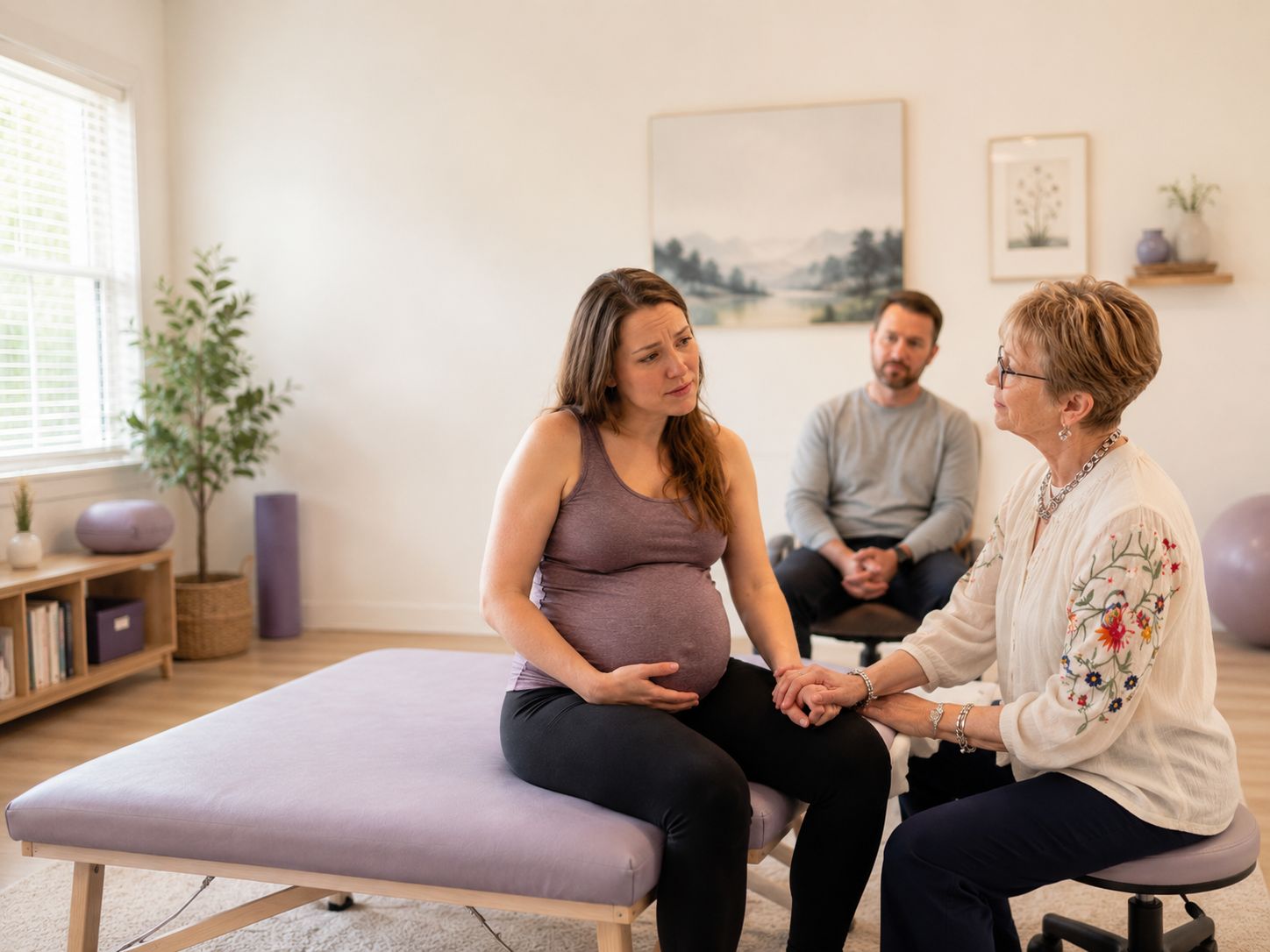
A physical therapist holds a pregnant patient’s hand during a supportive consultation, her partner seated nearby.

Pregnancy & Postpartum

I Don’t Just Treat You.

I bring long-lasting vitality to your whole family.

Pregnancy and the months after birth ask a lot of your body — and you deserve a provider who’s spent decades learning how to support it. As a Board-Certified Women’s Health Clinical Specialist, I work one-on-one with you through every stage, from the aches of a changing pregnancy to a full return to strength postpartum.
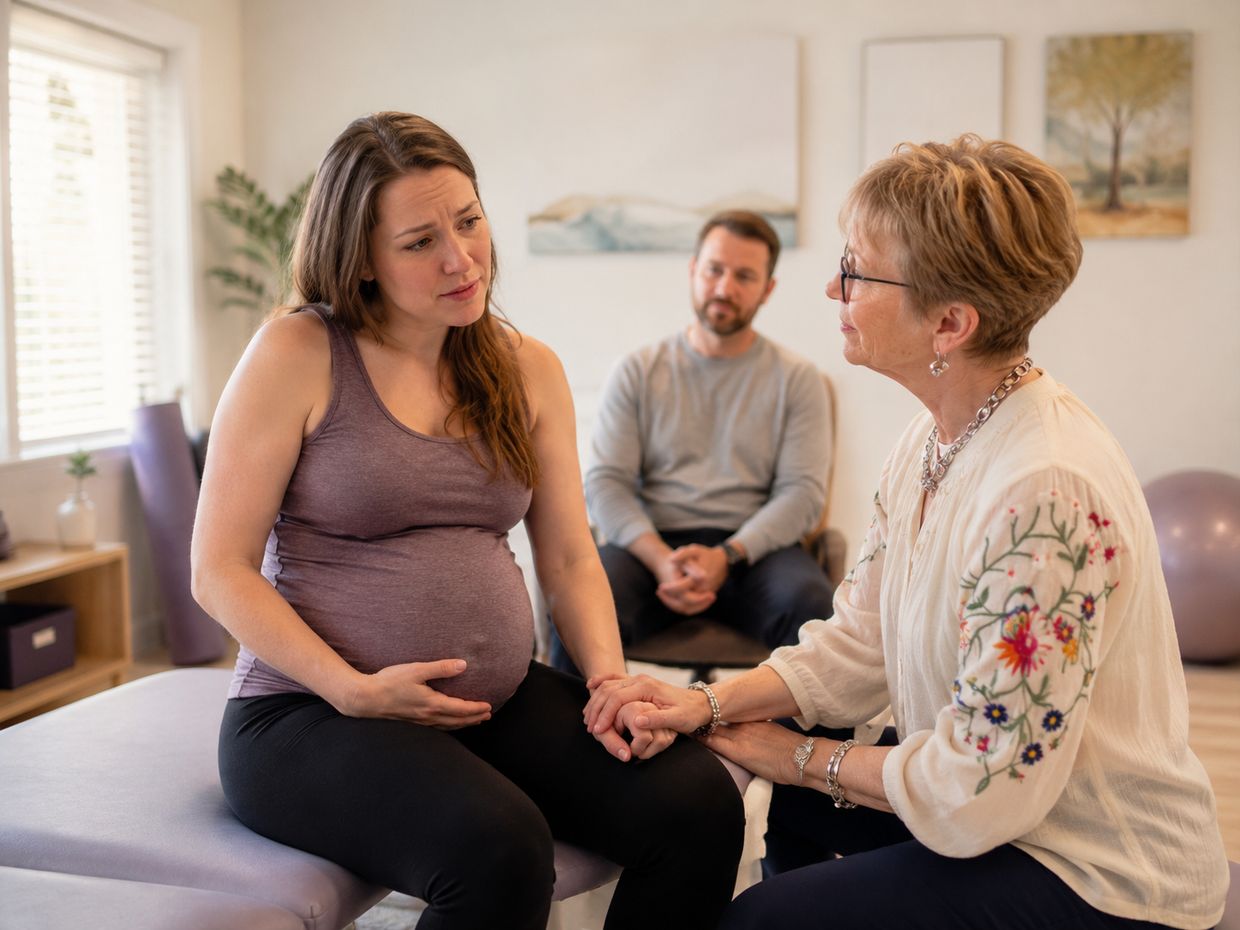

A physical therapist talking with a pregnant patient during a consultation.

Pregnancy changes how your body moves, holds weight, and recovers — often faster than your prenatal care team has time to fully address. Limited movement late in pregnancy, shifting nutrition needs, and a drop in activity level can all compound into pain or dysfunction that doesn’t resolve on its own. Working alongside your obstetric provider, I help you stay capable through pregnancy and rebuild safely afterward, with care tailored to exactly where you are.

Specialized treatments

  • Prenatal CarePelvic girdle pain (PGP), pubic symphysis dysfunction, and lower back pain during pregnancy.
  • Postpartum RehabilitationRecovery from vaginal or C-section deliveries, including scar tissue management.
  • Diastasis Recti (DRA)Separation of the abdominal muscles after pregnancy.

Your partner is carrying their own version of this stress. Let me handle the clinical complexity, so the two of you can focus on what matters — a healthy recovery and a healthy family.

What I treat

Conditions I treat through pregnancy and beyond

During pregnancy

  • Pelvic girdle pain (PGP)
  • Pubic symphysis dysfunction
  • Sacroiliac (SI) joint pain
  • Lower back pain in pregnancy
  • Rib pain in pregnancy

After birth

  • Diastasis recti (DRA)
  • Postpartum pelvic floor dysfunction
  • Urinary or fecal incontinence
  • Painful scar tissue (perineal or cesarean)
  • Return to running postpartum
  • Pelvic instability postpartum

What to expect

Your first visit

  1. The Conversation

    We begin by getting to know you and understanding your history, goals, and concerns. This isn’t a rushed appointment — we take time to listen and ask clarifying questions.

  2. The Assessment

    Depending on your condition and comfort level, we perform a physical assessment that may include posture evaluation, breathing assessment, movement screening, and pelvic floor muscle assessment (performed externally unless you choose internal evaluation).

  3. The Plan

    We discuss our findings in clear, understandable language and collaboratively create a treatment plan tailored to your goals and timeline.

Good to know

Common questions

Your initial evaluation is a 60-minute session in a private, quiet room. We start with a thorough conversation about your medical history and goals. If appropriate, a physical assessment is performed to check your posture, breathing, and pelvic floor muscle function. We will always discuss every step before proceeding.

An internal assessment (vaginal or rectal) is the "gold standard" for evaluating pelvic floor muscle strength, coordination, and tension. However, it is never mandatory. We can learn a great deal from external assessments, and we will only perform an internal exam if you feel comfortable and give your full consent.

Wear comfortable, loose-fitting clothing that you can easily move in. You do not need special athletic gear, but clothing like yoga pants or sweatpants is often the most practical.

Everybody is different. After your first evaluation, we will create a personalized plan. Some patients see significant improvement in 4–6 visits, while more complex or chronic conditions may require longer-term care.

You don’t have to white-knuckle your way through this.

Ready to start?